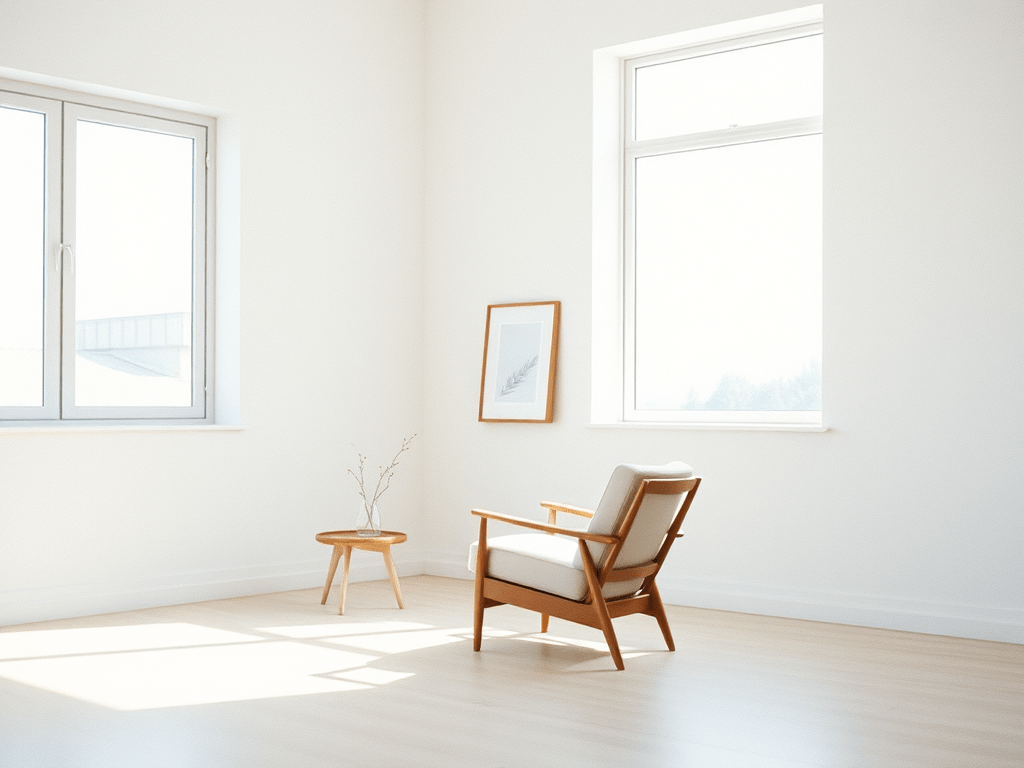
In recent years, minimalism has become a popular topic in our society, sparking discussions on simplifying life and focusing on what truly matters. My journey into minimalism began when I stumbled across some YouTube videos that highlighted the benefits of living with less. Intrigued, I started exploring the concept further and decided to put it into practice, beginning with small, simple steps. This gradual shift toward minimalism has since brought greater clarity and a sense of calm into my daily life.
We often assume that having more choices leads to greater happiness, but in reality, it’s rarely the case. As my story illustrates, more options can lead to overthinking, indecision, and a surprising loss of peace. In contrast, fewer choices allow us to find contentment more easily, enjoying what we have without the pressure of endless alternatives. A simplified life, with only the essentials, brings clarity and calm—a core lesson in the value of minimalism.
Back in my college days, I had a daily routine that involved traveling 30 kilometers to and from campus. I’d leave home by 6:30 in the morning, catching the first bus at the nearby stand. Mornings on the bus were peaceful, with most of the seats empty, giving me all the freedom to choose exactly where I wanted to sit. But oddly enough, that freedom often left me feeling…unsettled.
I’d start by sitting at the back, only to decide it might be better to sit somewhere in the middle. A few minutes later, I’d reconsider and move again, wondering if another seat might be more comfortable or offer a better view. Those first few minutes were often spent switching seats, overthinking every choice, and somehow losing the peace of the quiet morning.
Evenings, however, were a different story. The buses were packed with students and commuters, all eager to get home. If I managed to find a seat, there was no room for decisions—I’d grab it, sit down, and feel an immediate wave of satisfaction. With no choices to weigh, I was simply happy with what I got. And that evening bus ride always felt far more peaceful than my seat-swapping mornings.
That simple bus journey taught me a valuable lesson: more choices don’t necessarily bring more peace. In fact, having too many options often leads to endless overthinking and unnecessary stress. On the other hand, fewer choices—just taking what’s available—can bring contentment and a sense of clarity.
What is Minimalism?
Minimalism, at its core, is about living with intention. It’s about letting go of unnecessary possessions, distractions, and even thoughts, so that we can focus on the things that genuinely bring value and joy into our lives. In a world full of excess, minimalism encourages us to take a step back and ask ourselves: What do I really need?
It’s not just about owning fewer items; it’s about finding freedom from the pressure of constant consumption. Minimalism can manifest in various forms—whether that’s in the way we live, how we spend money, or how we manage our time and energy. For me, it’s about simplifying every aspect of life to make room for personal growth, mindfulness, and peace.
Why I’m Drawn to Minimalism
The more I learned about minimalism, the more it resonated with me. Our lives have become so cluttered, not just with stuff, but with unnecessary stress, commitments, and expectations. I’ve been guilty of hoarding things, thinking that material possessions could bring happiness. But the truth is, the more I acquired, the more I felt burdened by them.
What I love about minimalism is how liberating it feels. It gives you control over your life—your time, space, and energy are no longer dictated by what you own or what you’re “supposed” to do. Instead, you can focus on what truly matters. It’s an opportunity to find joy in the present, rather than constantly striving for the next big thing.
Minimalism is a highly personal journey. Some people adopt extreme minimalism—owning fewer than 100 items, living out of a backpack, or moving into tiny homes. Others embrace a more balanced version of minimalism, focusing on decluttering their physical space and being mindful about their purchases.
Minimalism doesn’t have to start with big, sweeping changes—it can begin with a few small steps. Start by making your bed each morning, keeping your room tidy, and organizing your desk daily. Regularly cleaning out your wallet to remove unnecessary receipts and papers can also make a surprising difference. These simple habits create a foundation for a minimalist lifestyle and help build a sense of clarity and calm in your everyday life.
For example, I’ve started reducing my wardrobe to only what I truly love and wear regularly. I’ve also stopped buying things just because they’re on sale or trendy. Instead, I think about whether I really need them, or if they add real value to my life.
Minimalism can be adapted to varying degrees based on individual preferences and lifestyle. You don’t have to be a full-fledged minimalist to reap the benefits. The goal is to find balance and align your actions with what’s important to you.
Minimalism offers a range of advantages that can improve your quality of life:
- Less Stress: Fewer belongings mean less to clean, maintain, and worry about. This leads to a clearer mind and a more peaceful living environment.
- Financial Freedom: By avoiding unnecessary purchases, minimalists can save money or use it for experiences and investments that bring greater long-term value.
- More Time: When you’re not consumed by material desires, you can focus on meaningful experiences, relationships, and personal growth.
- Environmental Benefits: Living with less reduces waste and decreases demand for resources, which can have a positive impact on the planet.
- Clarity and Purpose: Minimalism encourages you to live intentionally, focusing on what matters most and aligning your life with your values
A Final Thought: Could Minimalism Work for You?
If you’re feeling overwhelmed by the clutter—both physical and mental—in your life, minimalism may be worth exploring. Start small. Declutter one area of your home, or try being more mindful about your next purchase. Minimalism is a personal journey, and there’s no right or wrong way to do it. It’s about what makes sense for your life, your values, and your goals.
What would happen if more of us started living with less? Perhaps we’d find that in the space we’ve created, there’s more room for the things that truly matter—love, purpose, connection, and peace.


Leave a Reply